When choosing a European node as the traffic center, a common question is "Why choose a server in Germany as the traffic center for the European node?" Germany, with its strategic geographic location, mature data center ecosystem, and sound legal regulations, is widely regarded as one of the preferred nodes for traffic and hosting services in Europe. This article analyzes its advantages from multiple perspectives to help decision-makers weigh trade-offs when expanding globally or in Europe.
Geographical location and network hub advantages
Germany is located in Central Europe, with dense transportation and network routes connecting Eastern, Western, and Northern-Southern Europe, naturally making it a hub for international and regional connectivity. Choosing a German server as the traffic center for the European node can significantly optimize cross-border link paths, reduce the number of hops and routing complexity, thereby improving overall network stability and user experience, which is especially beneficial for cross-border business.
Data center infrastructure reliability
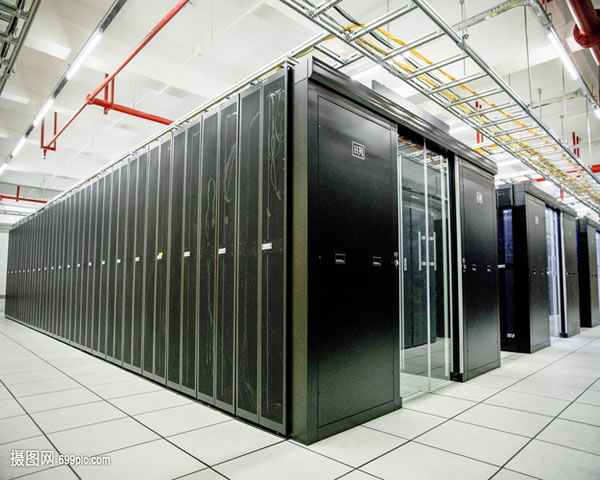
German data centers typically meet high standards in power redundancy, cooling systems, physical security, and disaster recovery capabilities. Stable infrastructure ensures continuous traffic handling and high availability, reducing the risk of unexpected downtime. For companies that use German servers as traffic centers for European nodes, reliable hardware and operational conditions are key considerations for ensuring business continuity.
Regulations and Data Protection Environment (GDPR).
Germany has a high degree of transparency and compliance in enforcing data protection and privacy regulations, which are highly consistent with the European Union's General Data Protection Regulation (GDPR). Setting up traffic centers in Germany helps meet compliance requirements, reduce legal risks, and enhance customer trust, offering significant advantages especially for industries involving sensitive data or strict privacy requirements such as finance and healthcare.
Trans-European connectivity and low latency performance
Germany has multiple important Internet Exchange Points (IX) and large bandwidth aggregation points, enabling efficient traffic exchange and peer-to-peer connections. Using the German server as the traffic center for the European node can leverage these interconnected resources to optimize routing, reduce round-trip latency, and provide more stable access quality during peak traffic, which is especially critical for real-time applications and content distribution.
Bandwidth processing capability and cost-effectiveness assessment
Germany's network market is competitive and has relatively abundant bandwidth resources, offering a wide range of options for operators and interconnected services. Although fees and contract details vary among operators, Germany's network capabilities generally support large-scale traffic processing demands. When companies consider Germany as the traffic hub for European nodes, they should assess bandwidth redundancy, burst traffic handling capacity, and long-term cost structure, choosing solutions that align with business peak and growth expectations.
Technical talent and operational maturity
Germany has a large number of network and data center operations personnel, as well as a mature third-party service provider and hosting ecosystem. Using the German server as the traffic center for the European node means leveraging local operational experience, rapid response capabilities, and mature service processes to reduce operational risks, improve fault recovery speed and daily management efficiency, and support stable business expansion.
Scalability and multi-availability deployment strategies
Setting up master nodes in Germany combined with auxiliary nodes in other European countries helps build a distributed architecture with multiple availability zones and multiple regions. By using German servers as traffic centers, they can serve as the core for traffic aggregation and distribution. Through redundancy and load balancing, elastic scaling strategies are implemented, supporting different traffic patterns and sudden growth, thereby enhancing overall resilience.
Summary and suggestions
In summary, choosing a German server as the traffic center for the European node offers comprehensive advantages in geographic location, network connectivity, compliance, infrastructure, and talent reserves. It is recommended that enterprises make decisions based on specific business needs for bandwidth planning, compliance review, and multi-node redundancy design, and collaborate with local professional service providers to develop scalable and highly available architectures to ensure long-term operational stability and compliance.
- Latest articles
- Popular tags
-
Market Trends Shown In The German Tractor And Rv Price List And Analysis Of Second-hand Car Value Preservation
based on the market trend analysis of the german tractor and rv price list and the key points of second-hand car value preservation, it interprets the factors affecting price fluctuations and provides practical valuation suggestions, which are suitable for buying, selling and investment decisions. -

How To Optimize The Wiring Design And Management Of German Server Rooms
this article discusses how to optimize the cabling design and management of german server rooms and provides professional suggestions and best practices. -
German Game Server Abbreviation And Its Role In Esports
this article explores the abbreviation of german game servers and their important role in esports to help readers understand the relevant knowledge.